By late 2025, blockchain has matured into a foundational General Purpose Technology (GPT), moving beyond cryptocurrency speculation to the core of institutional finance and enterprise systems. The Understanding section explores this critical shift, noting that the technology's core feature, the immutable ledger, presents a theological parallel to God's unchanging nature and commitment to truth, creating a unique field for redemptive work. The Applying section details how the technology can be used to dramatically enhance transparency and accountability in ministry, particularly through Real-World Asset (RWA) tokenization to enable community stewardship models and the use of Decentralized Autonomous Organizations (DAOs) for transparent governance. However, the technology demands rigorous ethical scrutiny to counteract the risks of financial speculation, plutocratic control in DAOs, and the co-option of decentralization by centralized institutional systems. We are called to actively discern and support open-source projects that align with a Kingdom vision of empowering the marginalized and fostering genuine community governance.
What is this technology?
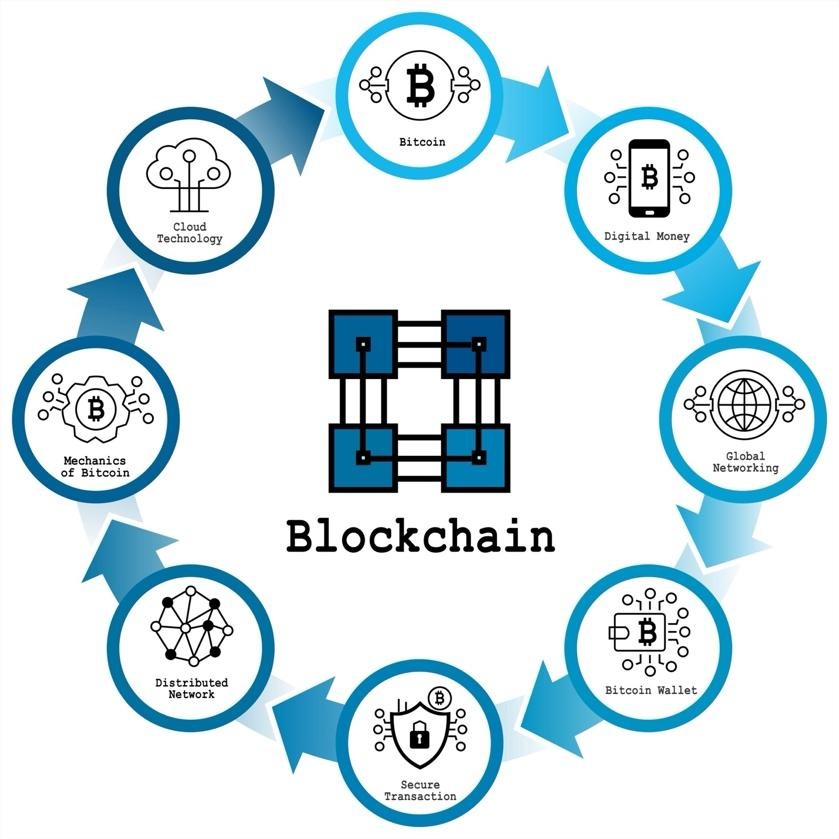
Blockchain technology is a foundational General Purpose Technology (GPT) characterized by a distributed, immutable ledger. It is a system designed for verifiable records, providing radical transparency and a high degree of confidence in the integrity of data and transactions without relying on a traditional central intermediary. The core features include cryptographic security, decentralized consensus mechanisms, and the ability to execute self-enforcing agreements known as smart contracts. By late 2025, it is shedding its reputation as merely the engine for speculative cryptocurrencies and emerging as a foundational technology for recording value and truth across multiple sectors.
How are people already encountering this technology?
People are encountering blockchain technology through a wide range of applications that are becoming mainstream:
- Financial Services: This includes using decentralized exchanges (DeFi) for lending, borrowing, and trading, and encountering tokenized Real-World Assets (RWA) like tokenized treasury funds and corporate bonds.
- Enterprise and Supply Chain: The technology provides an immutable record of a product’s journey from source to consumer in supply chain management. It is also being explored for securing patient data in healthcare.
- Digital Identity and Community: People are using Non-Fungible Tokens (NFTs) not as speculative art, but as verifiable digital identity credentials for memberships, event ticketing, and loyalty programs.
- Governance: Over 560 million people are part of the global user base, encountering blockchain as a foundation for new models of collective decision-making in Decentralized Autonomous Organizations (DAOs).
Where is it going?
The future trajectory of blockchain is defined by integration, scalability, and new forms of digital governance:
- Convergence and Institutionalization: There is a decisive institutional embrace with major financial firms actively integrating digital assets, tokenization, and blockchain infrastructure into their core services, blurring the lines between traditional and decentralized finance.
- Interoperability: Protocols like Polkadot and Cosmos champion a future of interconnected, specialized blockchains through Inter-Blockchain Communication (IBC) protocols, solving fragmentation and fostering unity in a diverse digital ecosystem.
- AI Integration: Blockchain is increasingly being informed by Artificial Intelligence (AI) for tasks such as the development of more efficient consensus mechanisms, automated risk assessment in lending, and dynamic smart contracts.
- Enhanced Accessibility: Protocol upgrades like Ethereum’s Pectra upgrade are enabling features such as gasless transactions and social recovery mechanisms through Account Abstraction, significantly lowering the technical barrier to entry for ordinary people.
What biblical or theological points of reference do Christians have for this tech?
Blockchain resonates biblical truth in several key areas:
- Truth and God’s Nature: The immutable ledger can be understood as a technological echo of God’s unchanging nature and His commitment to truth. Using it to create verifiable records is an act of integrity that honors a God of truth.
- Stewardship and Accountability: God is the ultimate owner of all things, and humans are His stewards. The technology’s capacity for radical transparency provides a powerful tool for demonstrating faithful stewardship of resources, as admonished in the Gospel of Luke.
- Grace and Forgiveness: The permanence of the immutable ledger raises questions about grace and forgiveness, as the system never forgets. A redemptive use must be designed with principles of grace in mind, honoring both justice and mercy.
- Community and Ecclesiology: The DAO space is a high-tech laboratory for ecclesiology, the theology of the church. The concept of interoperability across different chains mirrors the biblical ideal of the diverse Body of Christ working as a cohesive whole, as described in 1 Corinthians 12.
What are some additional resources and recommended reading?
Recommended reading to deepen the redemptive engagement with this technology includes:
- Dedicated workshops on decentralized governance and the tension between decentralized utopia and centralized dystopia.
- Theological analyses exploring the concepts of trust, transparency, and the new church economy in light of blockchain.
- Writings on the biblical principles of financial planning and stewardship to inform the ethical use of Decentralized Finance (DeFi).
- FAA and international regulatory updates for BVLOS operations and Remote ID compliance to ensure legal and safe operations.
What problems might missions solve with this technology?
Blockchain can provide crucial solutions in areas where trust, transparency, and resilience are critical:
- Combating Fraud and Corruption: The immutable record can be a powerful tool to combat falsehood, corruption, and fraud in financial and supply chain dealings, particularly in regions where institutional trust is low.
- Empowering the Marginalized: The technology offers open and permissionless access to financial tools for the unbanked, creating more equitable systems than often-exploitative traditional ones, aligning with the biblical call to care for the poor.
- Censorship-Resistance: It can empower the persecuted church with censorship-resistant means of communication, funding, and support in oppressive regimes.
- Identity and Credentials: NFTs can function as verifiable, tamper-proof credentials for seminary degrees, ordination, or specialized ministry training, creating a self-sovereign professional record.
How could missions and ministries use this technology?
Ministries can use blockchain to enhance accountability, community, and service delivery:
- Radical Transparency in Giving: Ministries can create radically transparent giving platforms where donors can track their funds to the final point of impact, fulfilling the principle of accountability to both the community and God.
- Digital Hospitality: Account Abstraction enables features like gasless transactions, allowing a ministry to build a decentralized platform where a new user can interact without first needing to acquire cryptocurrency, mirroring the biblical mandate to welcome the stranger.
- Community Stewardship Models: RWA tokenization can be used to create new models of community stewardship, allowing a congregation to collectively own its building through tokens with governance rights, reflecting the priesthood of all believers.
- Community Governance: Ministries can experiment with DAOs to manage benevolence funds or community-owned investment funds, using them as a transparent and automated system for resource allocation.
What infrastructure is needed to leverage this technology?
The required infrastructure balances ease of access with the ideological commitment to decentralization:
- Cloud Infrastructure: Blockchain-as-a-Service (BaaS) platforms from major cloud providers (AWS, IBM, Oracle) lower the barrier to entry by abstracting away the complexity of running a network.
- Open-Source Tooling: Access to sophisticated developer tools like Truffle and Hardhat, along with open-source libraries from organizations like Open Zeppelin, democratizes access to high-quality and secure code.
- Decentralized Infrastructure: A redemptive strategy requires thoughtful balance. Ministries must advocate for or use decentralized, self-hosted, or community-run infrastructure to prevent their platforms from becoming entirely dependent on a handful of centralized cloud providers.
What risks might this technology present for ministries?
The primary risks stem from the temptation toward unholy speculation, centralization, and the concentration of power:
- The Speculative Temptation: Much of the activity in DeFi is still driven by high-risk speculation, leverage, and the pursuit of unsustainable yields, mirroring the clear biblical warnings against the love of money and greed.
- Plutocratic Control: Despite democratic ideals, many major DAOs face the concentration of power, where a small fraction of token holders controls the vast majority of voting power, creating a de facto plutocracy that mirrors the biblical warning against the rich oppressing the poor.
- Centralization of Decentralization: The increasing reliance on a few centralized cloud providers (e.g., AWS, IBM) to build and run decentralized applications introduces systemic risk and single points of failure, contradicting the core ethos of decentralization.
- Trivialization of the Divine: The immutable ledger, while a powerful tool for accountability, must not be treated as an infallible oracle, as its human fallibility is infinite compared to God’s perfect knowledge.
What hurdles might ministries face in innovating with this new technology?
The hurdles involve technical complexity, cultural resistance, and ideological compromise:
- Complexity and Inhospitality: The primary obstacle remains the complexity for ordinary people, requiring them to manage cryptographic keys and understand arcane interfaces, which is profoundly inhospitable to newcomers.
- Ideological Compromise: Ministries must avoid being passive consumers of institutional blockchain products and must actively discern and support truly decentralized projects to resist the technology’s revolutionary potential being co-opted by the very centralized systems it was intended to challenge.
- The Idolization of Speed: The relentless drive for optimization and unparalleled performance (seen in monolithic chains like Solana) raises theological questions about the proper pace for building community and stewarding resources, risking the neglect of deliberation and the Sabbath principle of rest.
How might this technology affect people's faith?
The technology has the potential to deepen or distract from one's faith life:
- Deepening Accountability: It can support the faith life by creating a non-falsifiable record of stewardship, reinforcing the ultimate accountability all humans have to God.
- Reinforcing the Priesthood of All Believers: New models of governance like DAOs can allow for more tangible and participatory community stewardship, encouraging the collective action of the church.
- Distraction and Moral Atrophy: The pursuit of speculative financial gain within DeFi can distract from the spiritual life and lead to the love of money. Over-reliance on a technological system for trust can atrophy the essential human virtues of covenantal relationship.
What are case studies where this tech is being used?
Real-world case studies illustrate the technology’s utility:
- Corporate RWA Tokenization: Leading financial institutions like BlackRock and HSBC are launching tokenized treasury funds and gold-backed tokens.
- Consumer Loyalty: Major brands like Nike and Starbucks have successfully integrated NFTs into their loyalty programs, offering digital collectibles that unlock real-world benefits and foster deeper community engagement.
- Interconnected Ecosystems: The Cosmos ecosystem connects over 50 distinct blockchains through its IBC protocol, demonstrating a successful model for an interconnected, multi-chain world.
- Church Adoption: A 2025 survey found that 61% of ministry leaders used AI at least weekly, often for uncontroversial tasks.
How can we get started with this technology?
Ministry leaders and Christian technologists must engage proactively:
- Educate and Equip: Share this knowledge with teams and congregations to demystify blockchain, moving beyond buzzwords to a genuine understanding of its capabilities and limitations.
- Experiment in Line with Mission: Do not be afraid to pilot blockchain systems on a small scale, such as using a DAO to manage a small benevolence fund or issuing NFT credentials for a training program.
Advocate and Witness: Engage in public discussions about regulation, privacy, and economic justice, emphasizing the voice of human dignity and the common good in the broader technology world.